Overview
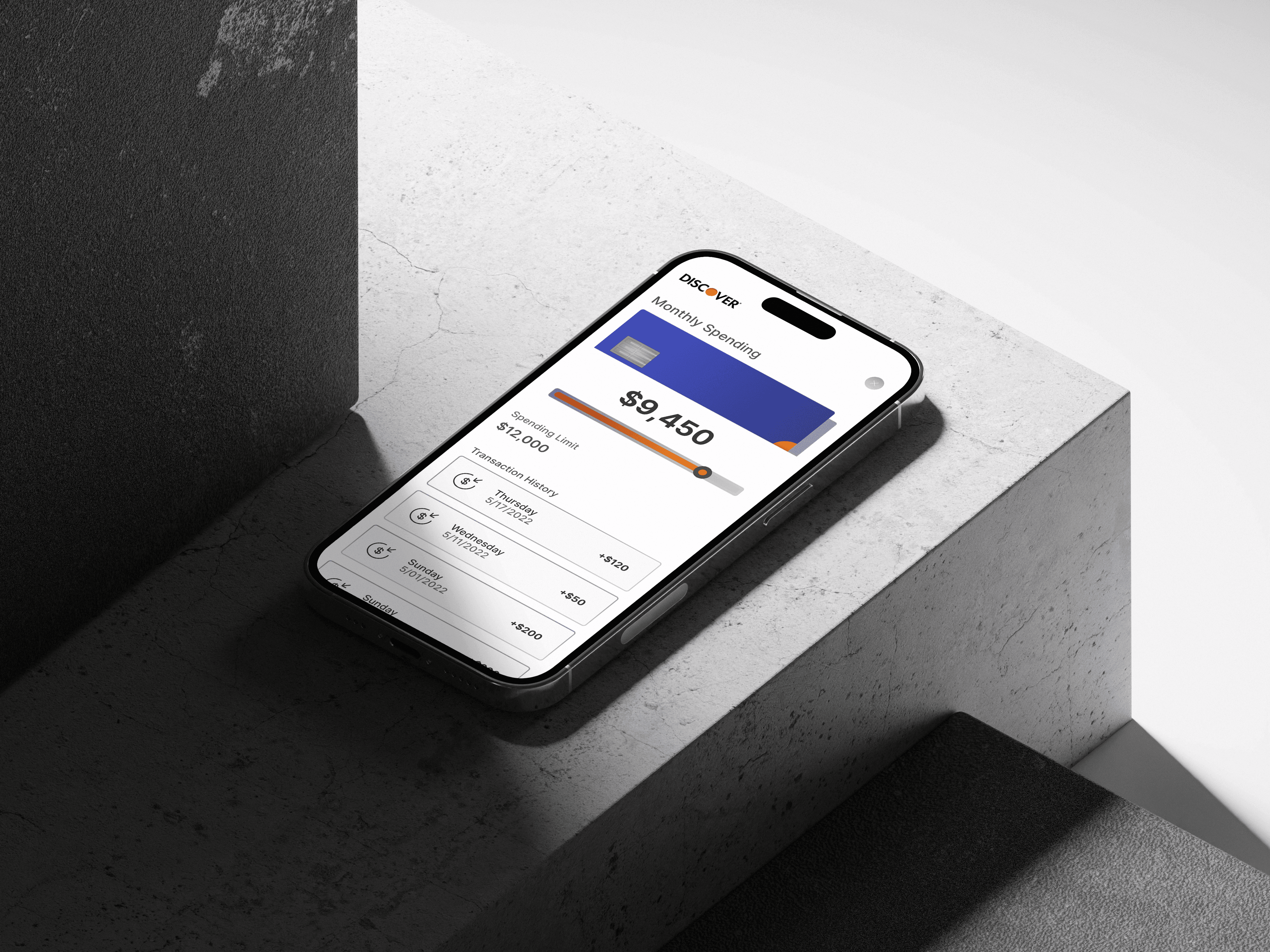
This project explores the redesign of Discovers banking
app to resolve usability challenges and outdated interface
patterns. The solution emphasizes clarity, streamlined flows,
and a modern visual language to support fast, stress-free
financial interactions and goal tracking systems.
Discover's financial app claims to create an intuitive
interface where users can easily manage funds, track
expenses, and set savings goals.
user feedback also pointed
out the lack of personalization
features within the existing
mobile app.
Initial Finding 02
user feedback suggests
approximately 68% of
users reported difficulty
locating essential features.
Initial Finding 01




Premise
🎙️Questions
We found that in order to develop a user-centered and accessible banking
platform, we'd have to tackle in-app visibility issues while also providing
a seamless and personalized experience for all our users.
🤺Challenge
"Discover is a powerful banking app that lacks personalization
and clear visibility for aging users".

VER
DISC
Improved Visibility and accessibility particularly for older users,
addresses a rapidly growing demographic with significant
financial assets. By making the app easier to read, navigate,
and trust, the redesign lowers support costs, reduces user errors,
and expands the app’s usable market. Together, these goals create
a more inclusive product that drives sustained growth, improves
brand trust, and delivers measurable returns on investment.
🎯Objective
These goals were selected because they directly impact user
adoption, retention, and long-term value. Personalization allows
the app to adapt to individual user behaviors and preferences,
increasing satisfaction and daily engagement while reducing
friction in routine banking tasks. This leads to higher feature usage
and stronger customer loyalty.
Visibility &
Personalization.
📱Existing Platform
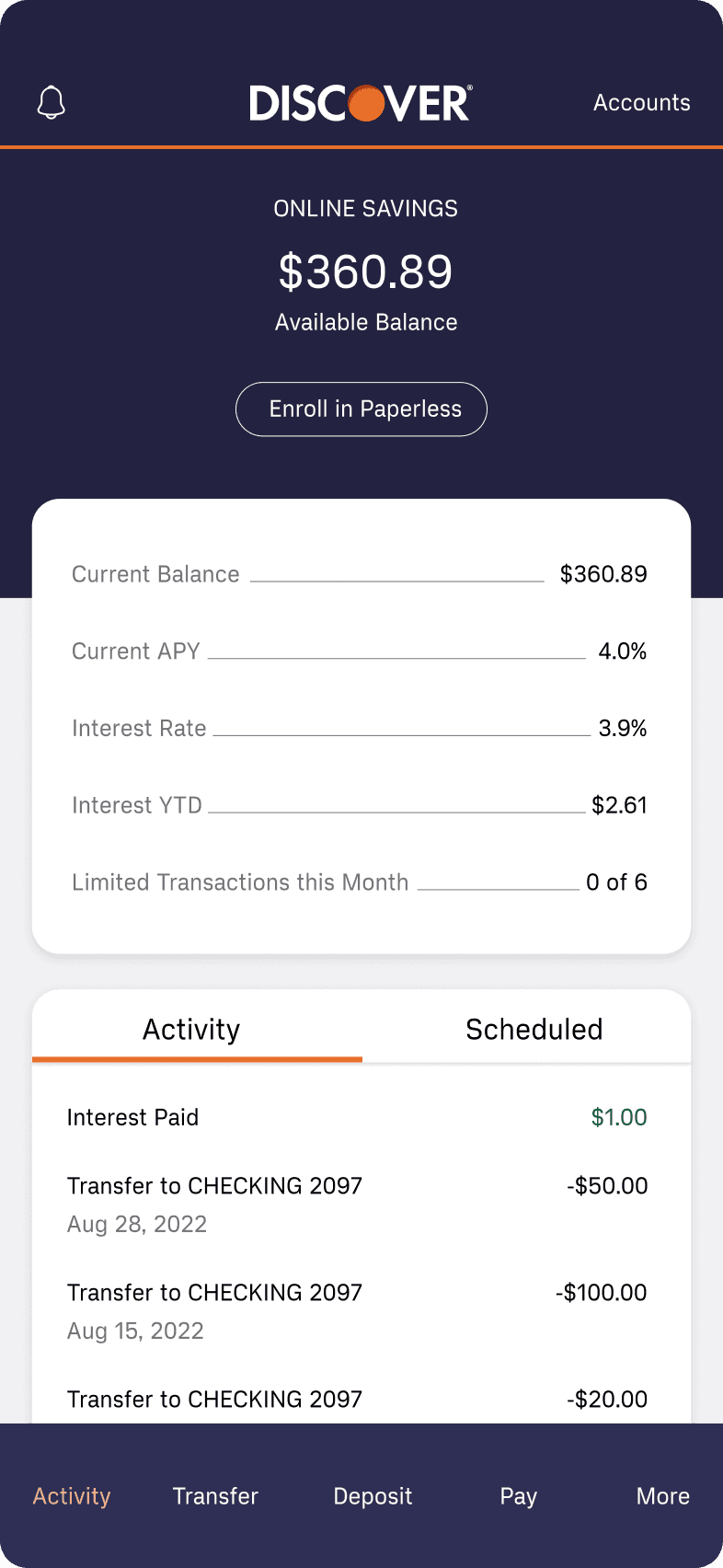
Our design audit began with a comprehensive evaluation of the
mobile banking app to build a clear understanding of the product,
its users, and the business goals behind it. This process included
stakeholder interviews, competitive benchmarking within the fintech
landscape, usability testing of the existing app, and a thorough review
of current features and user flows. Together, these efforts provided
valuable insight into how the app was performing and where it was
falling short.
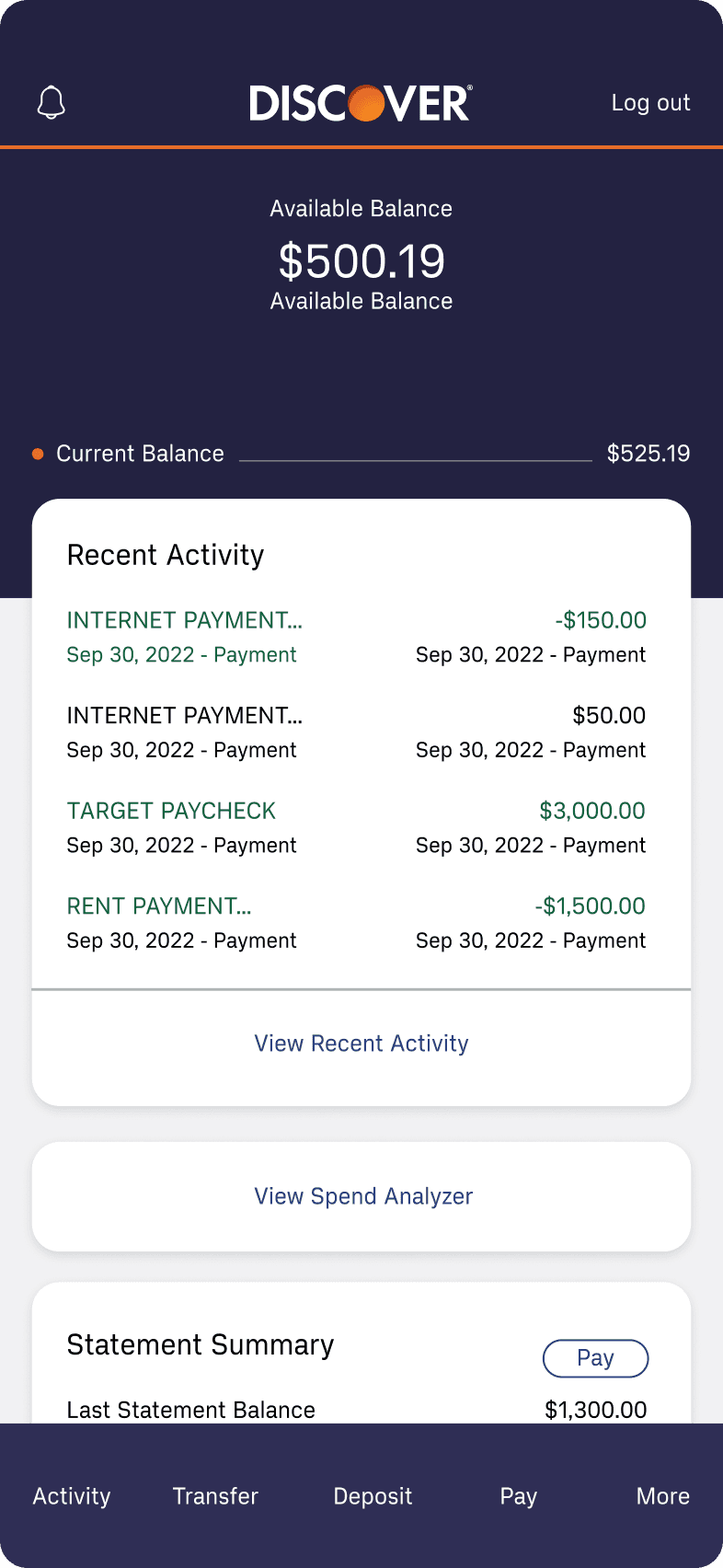
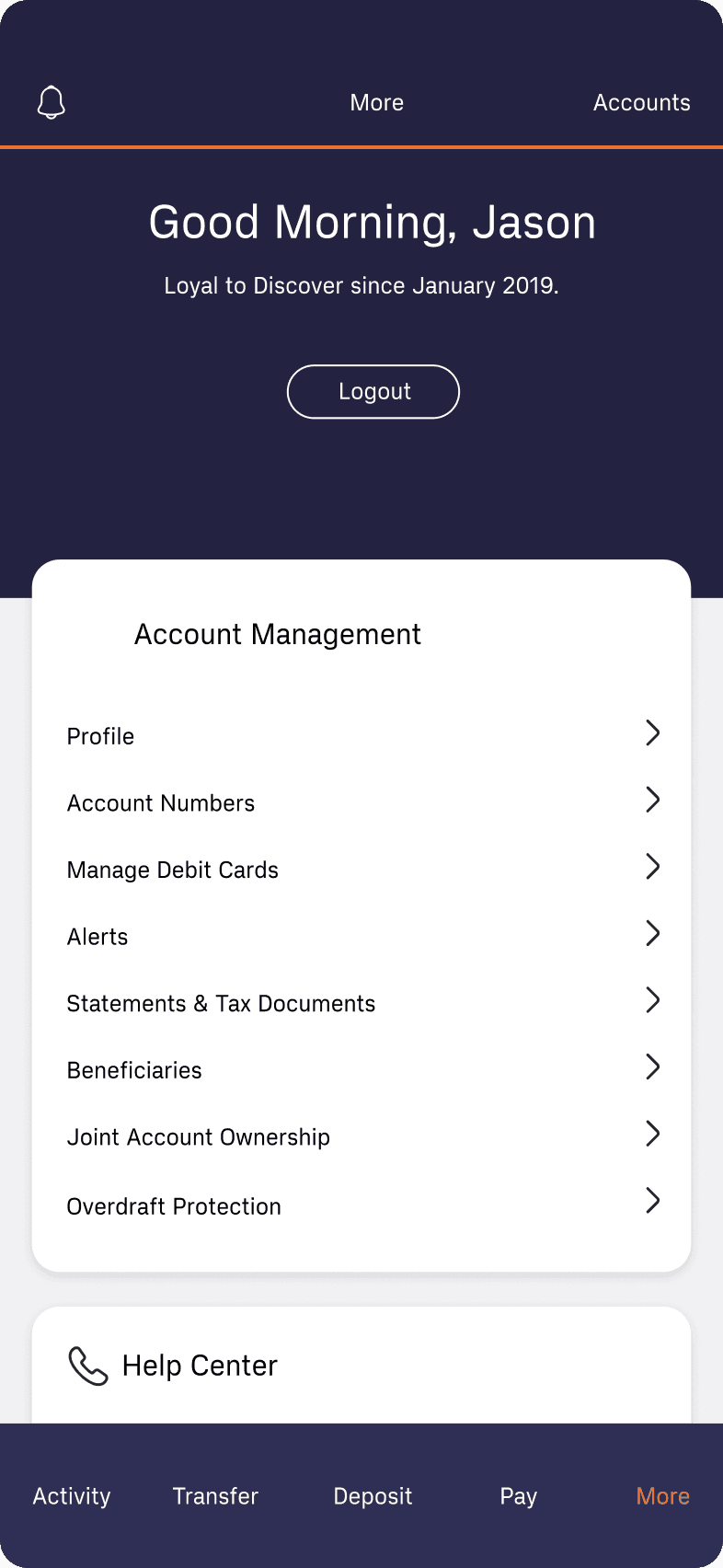
Through this audit, we identified several UI and UX challenges that
were negatively impacting user trust, engagement, and task completion.
An outdated visual design, inconsistent interface patterns, and unclear
navigation created friction across key banking flows. We also uncovered
gaps in the overall user experience, with certain features underutilized,
incomplete, or lacking clear guidance—resulting in missed opportunities
to better support users’ financial needs.
Survey of the
Current Design!


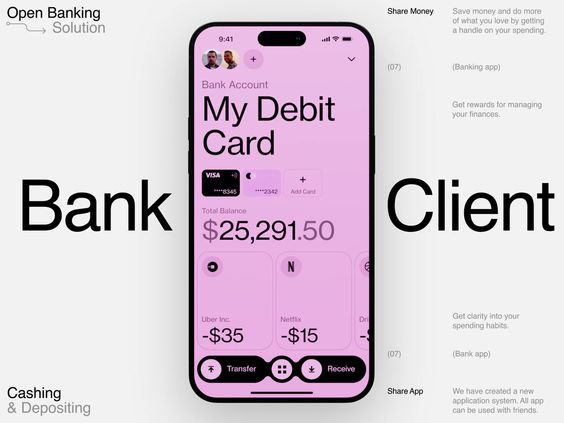
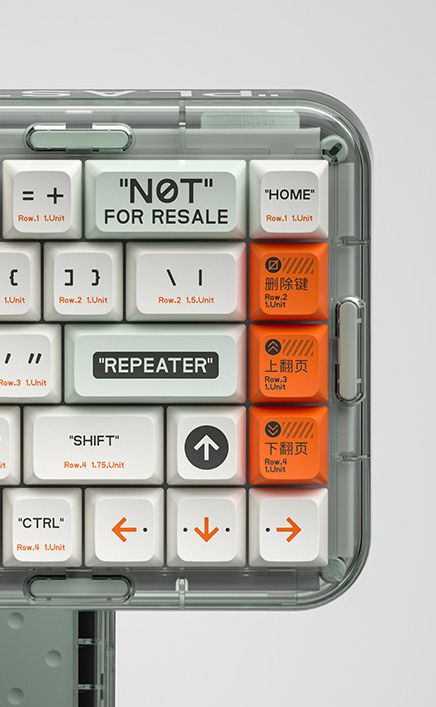
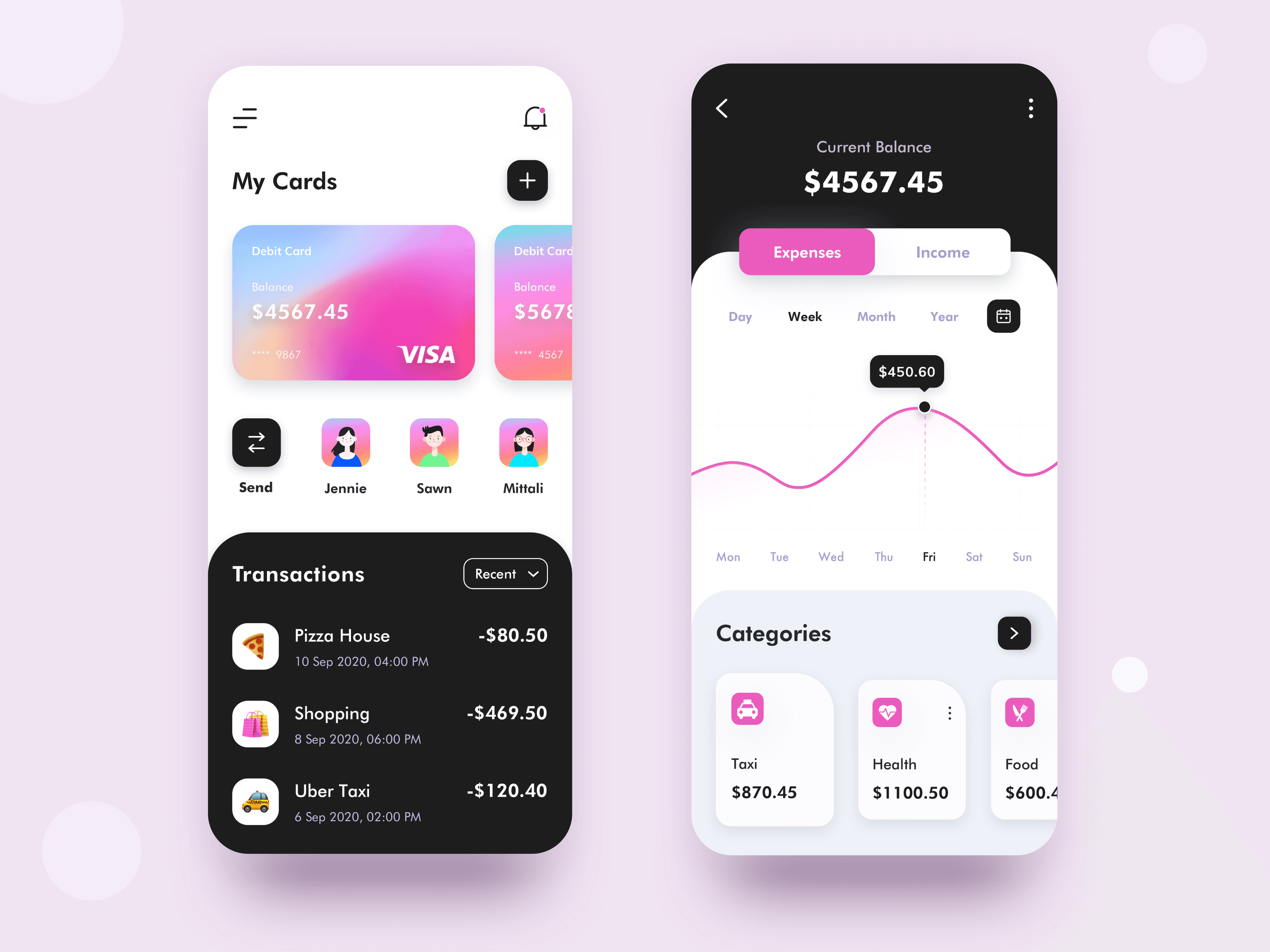



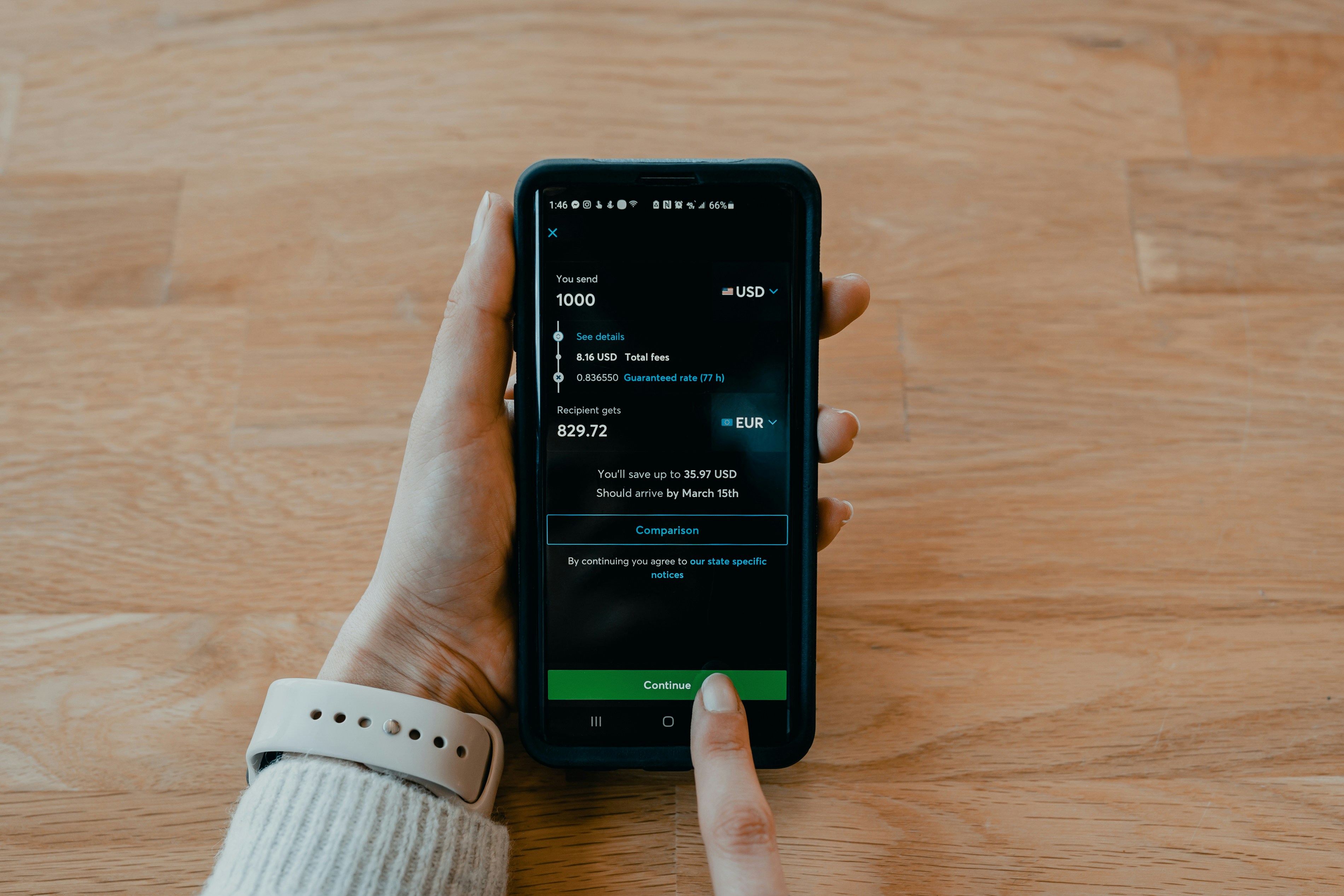
The selected visuals emphasize clarity and trust, using clean layouts,
generous white space, and structured grids to reflect transparency and
control. A calm color palette of soft blues, and neutral tones communicates
reliability and stability, while subtle orange accent colors introduce
warmth and guide attention to key actions.
🖼️Visual Inspiration
The mood board defines the visual and emotional direction for the
redesigned mobile banking app. The goal is to create an experience
that feels secure, modern, and approachable, helping users feel confident
managing their finances while reducing stress and cognitive load.
Mood board.
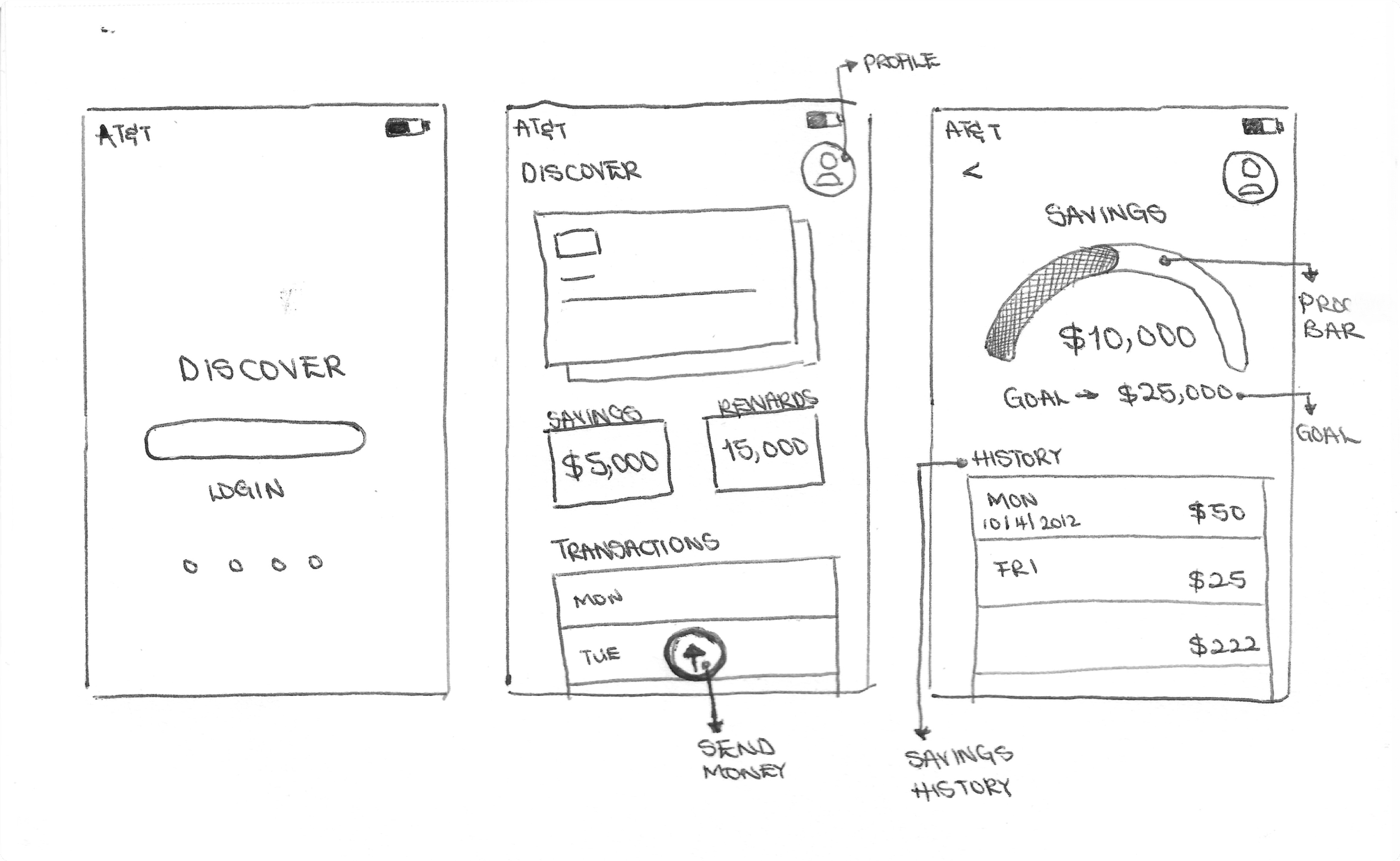
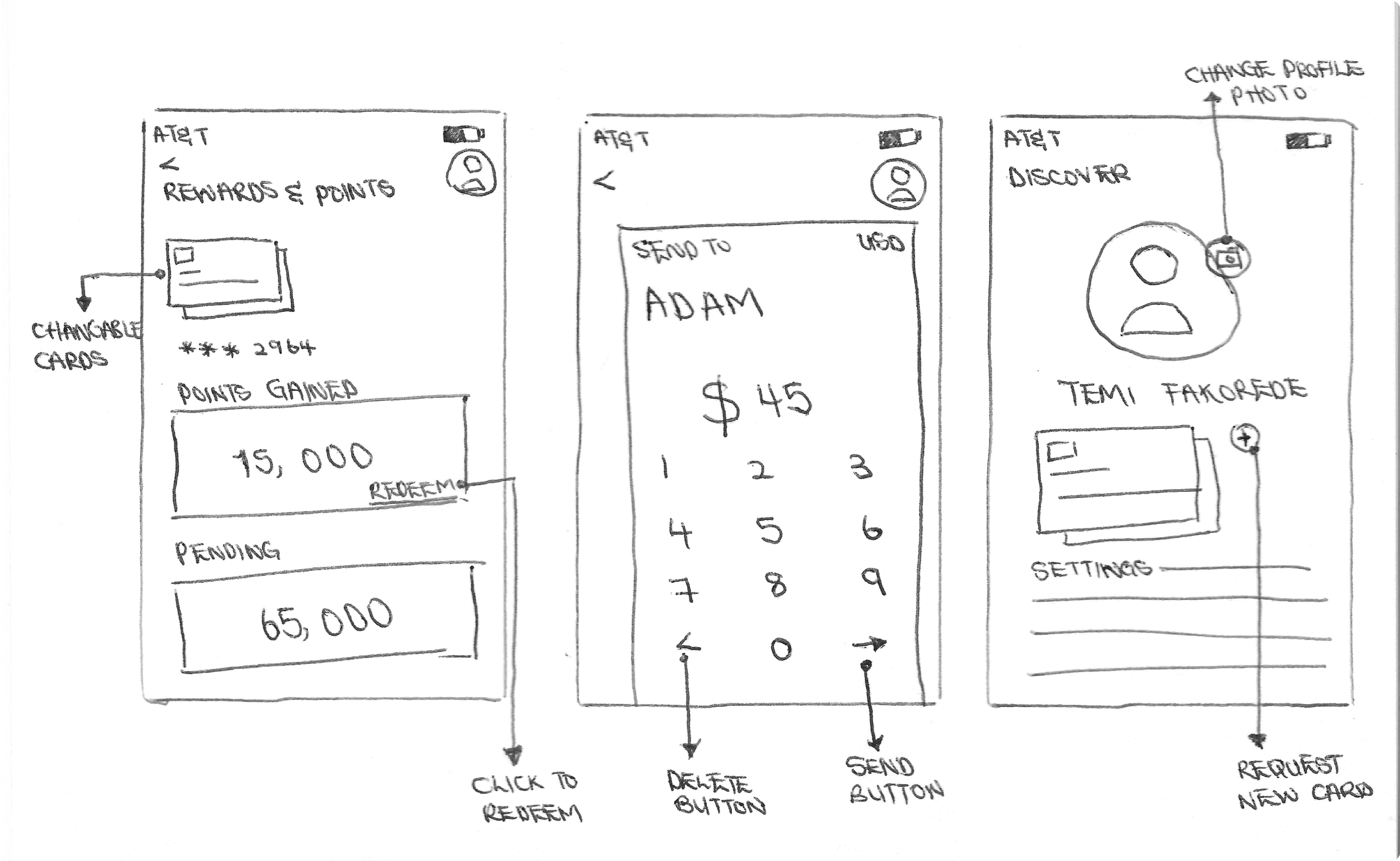
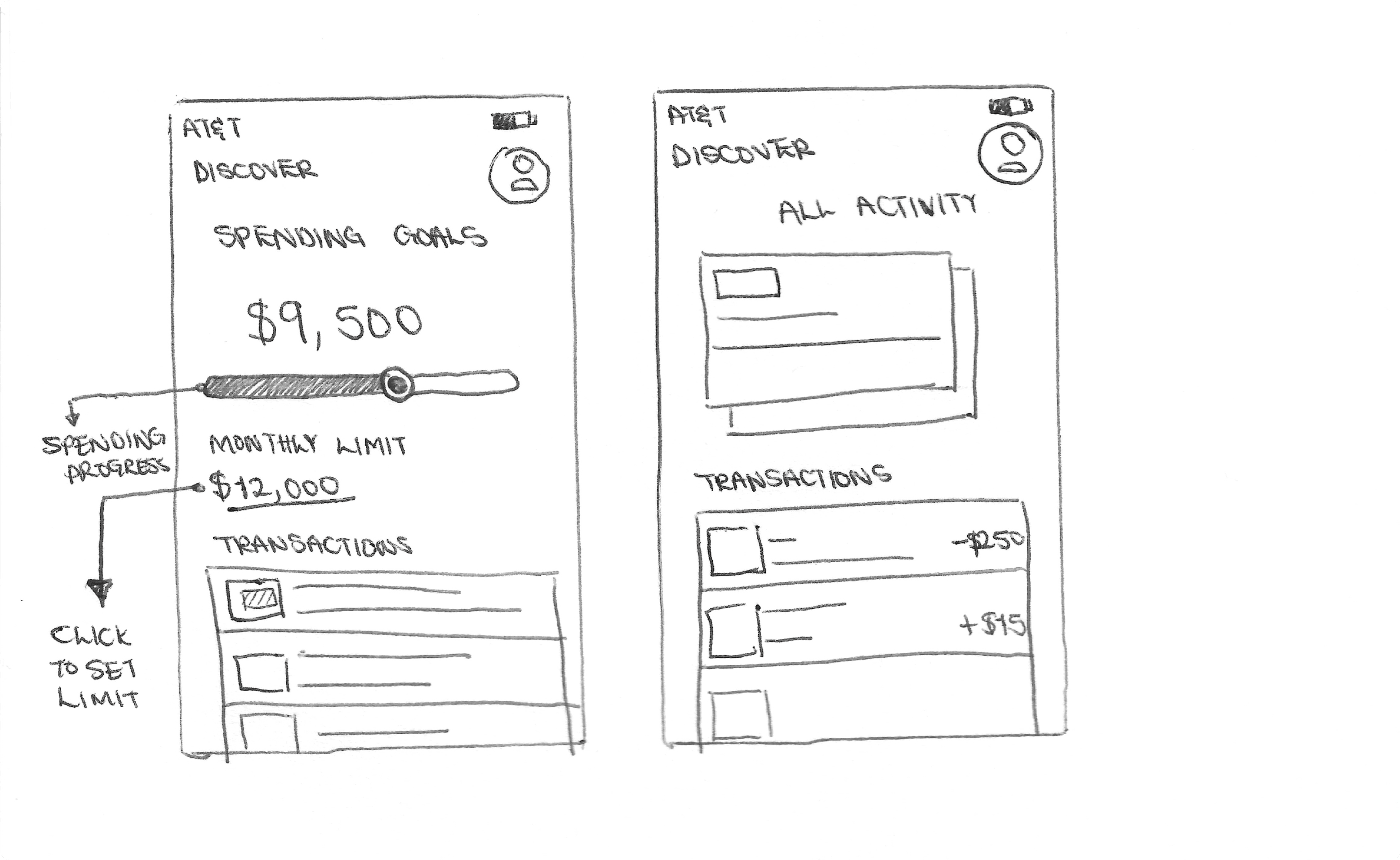
Sketching was used as an early exploration tool to quickly generate
and iterate on layout ideas without focusing on visual details. By
working with low-fidelity sketches, I was able to experiment with
different navigation patterns, screen hierarchies, and content
groupings for the mobile banking app.
This process helped identify the most intuitive flows for key tasks
such as checking balances, transferring money, and viewing
transactions, allowing usability decisions to be made early before
moving into wireframes and high-fidelity designs.
Sketches
💡Ideation
👨🏿💻Iteration
Wireframes.
Low-fidelity wireframes were created as a focused exploration of
information hierarchy, streamlined user flows, and intuitive interactions
within the mobile banking experience.
By removing visual design elements, this stage emphasized structure
and functionality, making it easier to evaluate how users navigate core
tasks such as checking balances, transferring money, and paying bills.
These wireframes enabled early validation of layout decisions, helped
surface usability issues quickly, and provided a clear foundation for
iteration before moving into higher-fidelity design.


